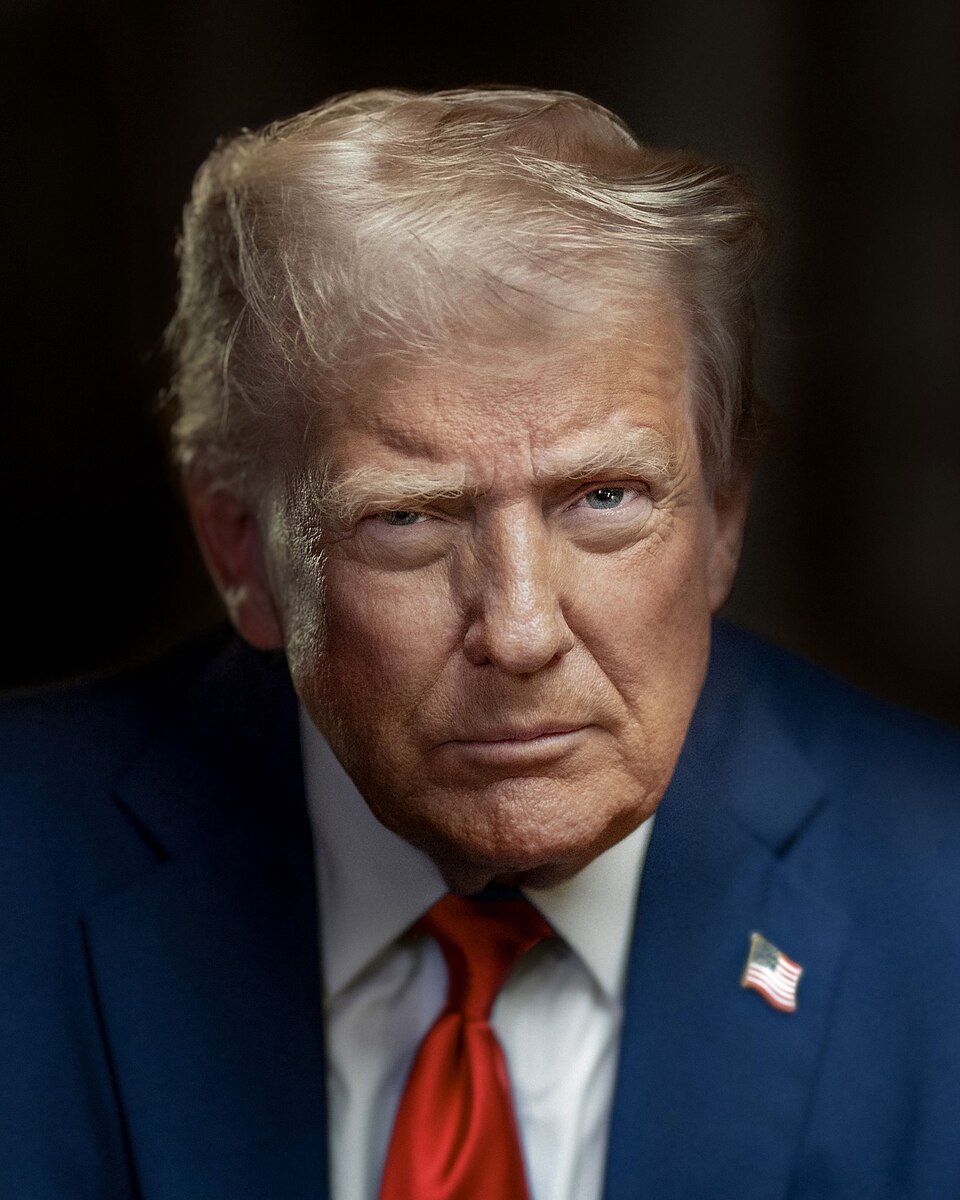
Unpacking the Public & Private View of Trump's Health
The health of public figures, especially presidential candidates, consistently captures global attention. Few individuals exemplify this scrutiny more than Donald Trump, whose medical status has been a frequent subject of public discussion and media speculation. The intense interest in
Donald Trump's Health: Doctor's Verdict vs. Public Speculation often creates a complex narrative, blending official medical reports with observable moments and personal assertions. The ongoing debate surrounding *Trump's Gesundheitszustand* (health status) remains a subject of intense global interest, particularly as he continues to play a prominent role in political discourse.
Donald Trump, approaching his late seventies, has openly attributed his high energy and general well-being to "very good genes." While genetic predispositions undoubtedly play a role in an individual's health trajectory and longevity, medical experts widely acknowledge that lifestyle choices, diet, exercise, and preventative care are equally, if not more, critical factors. Relying solely on genetics, while fortunate, overlooks the multifaceted nature of health maintenance.
Public observations, particularly in the lead-up to and during key political events, have sometimes sparked debate regarding his physical fitness. Notably, instances of visible bruising on his right hand and pronounced swelling in his ankles have drawn considerable attention. These physical signs prompted the White House to address the underlying causes, revealing specific medical diagnoses that shed light on President Trump's health profile.
According to statements from his medical team, including his physician Sean Barbabella, Trump maintains an "excellent health" status and is "fully capable" of fulfilling his demanding responsibilities. Following a routine medical examination at Walter Reed National Military Medical Center, reports indicated a height of approximately 1.90 meters and a weight of about 102 kilograms. Furthermore, Trump reportedly achieved a perfect score on a cognitive test, an important indicator for any leader. To delve deeper into these official assessments, readers can explore
Is Trump Healthy? Inside the President's Medical Report & Habits.
Chronic Venous Insufficiency: More Than Just Swollen Ankles
One of the most significant medical disclosures regarding Trump's health is the diagnosis of
chronic venous insufficiency (CVI). This condition, particularly prevalent among older adults, occurs when the veins in the legs struggle to efficiently return blood to the heart. Instead of flowing upwards, blood pools in the lower extremities, leading to symptoms like swelling, aching, and a feeling of heaviness.
Understanding Chronic Venous Insufficiency
*
What it is: CVI arises from damaged or weakened valves within the leg veins. These valves normally prevent blood from flowing backward. When they fail, blood accumulates in the lower legs.
*
Common Symptoms: Swelling (edema) in the ankles and feet, especially after prolonged standing or sitting; pain, aching, or throbbing in the legs; leg cramps; itchy or discolored skin; and in more advanced cases, skin ulcers.
*
Causes: Age, family history, obesity, pregnancy, prolonged standing or sitting, and a history of deep vein thrombosis (DVT) are common risk factors.
For President Trump, observations of swollen ankles were consistent with this diagnosis. While typically managed with interventions aimed at improving circulation, such as elevation and regular exercise, one of the most common and effective treatments is the use of compression stockings. These specially designed garments apply graduated pressure to the legs, helping to push blood back towards the heart and reduce swelling.
However, Trump admitted to trying compression stockings but quickly discarding them because he found them uncomfortable. This highlights a common challenge in managing chronic conditions: patient adherence to treatment. While personal comfort is a factor, neglecting recommended interventions for CVI can exacerbate symptoms and potentially lead to more serious complications, including skin changes, infections, and even venous ulcers. Medical professionals consistently advise wearing compression stockings to manage symptoms and prevent progression.
The Aspirin Debate: High Dose, Long-Term Use, and "Thin Blood"
Another key component of Trump's health regimen, and one that has sparked considerable discussion, is his long-term use of aspirin. Aspirin is widely known for its antiplatelet properties, meaning it helps prevent blood clots. For many individuals at risk of cardiovascular events, such as heart attacks and strokes, a low-dose aspirin regimen is often recommended by doctors.
Aspirin Use and Its Implications
*
Cardiovascular Benefits: Aspirin inhibits platelet aggregation, reducing the risk of clot formation that can block arteries leading to the heart or brain.
*
Dosage Controversy: While typically a low dose (e.g., 81 mg or "baby aspirin") is prescribed for cardiovascular prevention, Trump revealed he takes a higher dose – 325 milligrams daily – a practice he has maintained for 25 years.
*
The "Thin Blood" Belief: Trump explained his rationale by stating he's "a little superstitious" about the dosage and desires "nice, thin blood" flowing through his heart. This reflects a common, albeit simplified, understanding of aspirin's blood-thinning effects.
However, taking 325mg of aspirin daily without specific medical justification carries elevated risks. Higher doses of aspirin are typically reserved for acute events or specific inflammatory conditions, rather than long-term preventative care, due to increased potential for side effects.
Risks of High-Dose Aspirin
*
Increased Bleeding Risk: Aspirin, especially at higher doses, significantly increases the risk of bleeding, including gastrointestinal bleeding (stomach ulcers, intestinal bleeding) and hemorrhagic stroke.
*
Bruising: The blood-thinning effect also explains the noticeable bruising on Trump's hands. Government spokesperson Karoline Leavitt attributed these marks to "frequent handshakes and taking aspirin," a plausible explanation given aspirin's impact on clotting.
*
Doctor's Recommendations: Medical guidance stresses that aspirin dosage should always be determined by a healthcare professional, balancing the benefits against the risks for each individual patient. Self-prescribing or maintaining a higher-than-recommended dose, even if done for decades, can pose unnecessary health hazards.
Beyond the Physical: Sleep, Cognition, and Presidential Scrutiny
Beyond the directly medical aspects, President Trump's personal habits and public appearances have also contributed to the ongoing conversation about his health. His sleep patterns and cognitive performance, in particular, have come under scrutiny.
Sleep Habits and Energy Levels
Trump has long stated that he functions optimally on very little sleep, a habit he reported even during his first term. He described starting his day early, often by 10 AM in the Oval Office, and working until 7 or 8 PM. While some individuals can indeed thrive on less sleep than the average adult, consistently getting significantly fewer than the recommended 7-9 hours per night can impact cognitive function, mood, and overall health for most people.
Public appearances have sometimes sparked questions, with video footage occasionally suggesting he might have dozed off during meetings. Trump, however, has consistently refuted these claims, explaining that he merely "closes [his eyes]" as a relaxing habit or that he is simply caught "mid-blink" by photographers.
Cognitive Health and Hearing
The report of Trump achieving a full score on a cognitive test is a positive indicator of his mental acuity. Such tests are designed to assess various cognitive functions, including memory, attention, language, and problem-solving. Maintaining strong cognitive function is paramount for a leader in a demanding role.
Regarding his hearing, Trump has dismissed suggestions of impairment, stating that he only encounters difficulties "when many people are speaking at the same time." This specific challenge can be common in noisy environments and does not necessarily indicate a general hearing deficit, though it can be a symptom of age-related hearing loss.
The scrutiny of a president's health, from their physical stamina and specific medical conditions to their sleep patterns and cognitive sharpness, is a long-standing tradition in American politics. It underscores the immense demands of the office and the public's right to know about the fitness of their leaders.
Conclusion
Delving deeper into *Trump's Gesundheitszustand* reveals a nuanced picture, characterized by both self-reported vigor and medically diagnosed conditions. From his reliance on "good genes" for energy to managing chronic venous insufficiency and his unconventional aspirin regimen, Trump's health narrative is a complex interplay of personal choices, medical facts, and the intense public spotlight. While his medical team affirms his fitness for presidential duties, the revelations regarding his aversion to compression stockings and his high-dose aspirin use underscore the critical importance of adhering to medical advice. Ultimately, understanding the various facets of a public figure's health requires a balanced perspective, acknowledging official medical reports while also considering observed behaviors and personal statements, all within the framework of professional medical guidance.